
Why Blitz and Bullet Chess Are Ruining Your Improvement (And What to Play Instead)

Open the app, hit "Play 3 Min Blitz," win on time, feel a rush of adrenaline. Hit "Play again," blunder your queen in the opening, rage-queue another match to win those rating points back. Sound familiar? You are not alone. Millions of chess players are caught in the fast-chess cycle.
While playing Bullet (1-minute) and Blitz (3-minute) chess is incredibly entertaining, it is widely considered by Grandmasters and top coaches to be the number one reason why amateur players plateau. If you have been stuck at the same ELO for over six months, your time control is likely the culprit. In this article, we will break down the psychology of fast chess, how it destroys your tactical vision, and the exact steps you must take to start improving again.
Quick Answer: Does playing blitz improve your chess?
No, playing Blitz and Bullet chess does not improve your chess if you are under 1800 ELO. Fast time controls force you to rely on existing intuition and muscle memory rather than deep calculation. To improve, you must play Rapid (15+10) or Classical time controls, which give your brain the necessary time to calculate variations, recognize new tactical patterns, and evaluate positional imbalances.
1. The Dopamine Trap of Bullet and Blitz
Fast chess is designed to be addictive. The short duration of the games means you can play 15 matches in an hour. This rapid cycle of wins and losses floods your brain with dopamine. You are no longer playing to improve your chess understanding; you are pulling the lever on a slot machine, hoping your opponent flags on the clock or falls for a cheap opening trap.
In Blitz, "Hope Chess" is rewarded. You play a tricky move hoping your opponent doesn't see the refutation. In a slow game, they will calculate for 5 minutes and punish you. In Blitz, they have 10 seconds, so the bad move often wins. This permanently reinforces terrible habits.
2. Superficial Calculation vs. Deep Vision
Chess improvement happens when your brain is forced to process complex geometry that it hasn't seen before. If you only have 3 minutes on the clock, you cannot calculate a 5-move deep forced mate. Instead, you rely on superficial "one-move" threats.
By exclusively playing fast controls, your brain gets lazy. When you finally sit down to play a serious 60-minute tournament game, you will find yourself unable to concentrate on a single position for more than 30 seconds without feeling impatient. You have effectively trained your brain to have a short attention span.
3. Time Control Comparison (What You Should Play)
Here is how different time controls affect your development as a player.
| Time Control | Definition | Impact on Improvement | Best Used For... |
|---|---|---|---|
| Bullet (1|0, 2|1) | Insanely fast. Mostly premoves. | Harmful. Destroys board vision. | Pure entertainment, practicing mouse speed. |
| Blitz (3|0, 5|0) | Fast-paced, relies on intuition. | Neutral/Negative. Cements current habits. | Testing a brand-new opening line quickly to see common responses. |
| Rapid (15|10, 30|0) | Allows for 2-3 minute thinks per critical move. | Excellent. Builds calculation skills. | The gold standard for daily online improvement. |
| Classical (90|30) | Deep tournament chess. | Maximum. Forces deep calculation. | Official OTB tournaments, breaking through major ELO plateaus. |
4. The Grandmaster Antidote: OTB Physical Study
If you want to break your Blitz addiction, you need to step away from the digital screen. The flashing lights, the pre-move sounds, and the digital clock create anxiety. To reset your chess brain, you must analyze games and solve tactics in a slow, physical environment.
5. Ditch the Traps: Play Solid Openings
Blitz players love openings like the Englund Gambit or the Scholar's Mate. These rely on your opponent making a rapid mistake under time pressure. If you switch to Rapid chess, those traps will fail miserably. You need to build a repertoire based on solid, unbreakable principles that transition into favorable endgames.

6. Frequently Asked Questions (FAQ)
Yes, but there is a massive difference. A Grandmaster's "intuition" is built on 20,000 hours of slow, Classical chess study. When they play Blitz, they are accessing deeply ingrained, correct patterns. When amateurs play Blitz, they are reinforcing bad patterns.
You don't have to quit entirely if you enjoy it for fun. However, if your primary goal is to increase your rating and improve your skills, 90% of your games should be Rapid (15+10 or longer), and Blitz should just be an occasional break.
Use your time! The biggest mistake players make when switching from Blitz to Rapid is playing at the same speed and finishing a 15-minute game with 12 minutes still on the clock. Force yourself to sit on your hands and perform a blunder-check before touching a piece.
Keep Your Repertoire in Sight
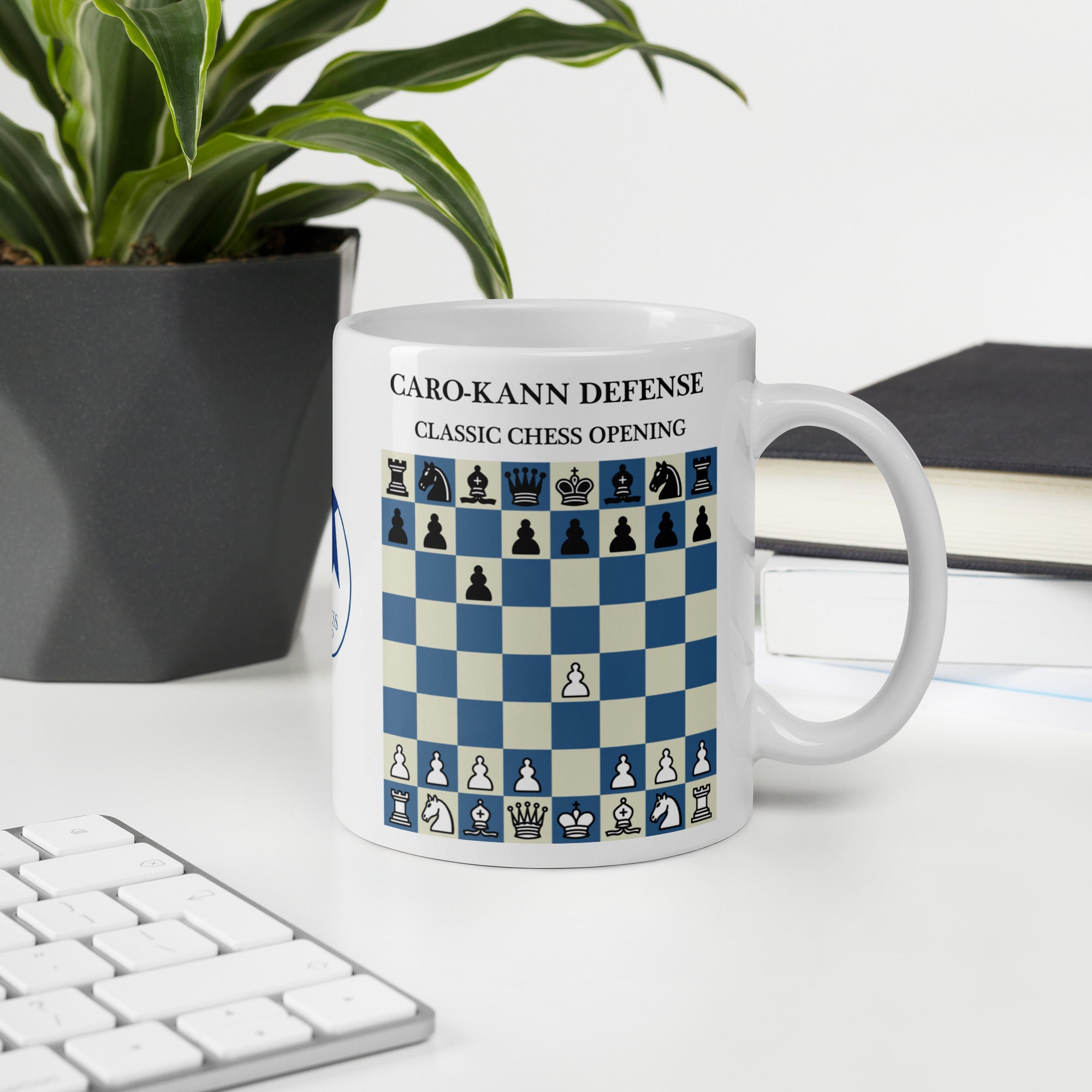
41 ceramic mugs printed to order, each with the name and diagram of a classic opening.