
How to Memorize Chess Openings (Without Forgetting Them)

We have all been there. You spend two hours watching a masterclass on the Sicilian Defense. You feel invincible. You open a new game, your opponent plays 1.e4, you confidently reply 1...c5... and by move four, you have completely forgotten the variation. You panic, make a sub-optimal move, and your pristine opening preparation is ruined.
Why is it so hard to memorize chess openings? The problem is not your brain; the problem is your methodology. Rote memorization—staring at a screen and clicking arrows—does not build the deep neural pathways required for high-pressure recall. In this guide, we will show you how to study openings like a professional so they stick in your memory forever.
Quick Answer: How to memorize chess openings faster?
To memorize chess openings effectively, stop trying to memorize exact move orders. Instead, focus on memorizing the target pawn structure and the ideal squares for your minor pieces. Furthermore, you must transfer your digital study to a physical chess board to build 3D spatial awareness and tactile muscle memory, which drastically improves recall under tournament pressure.
1. The Trap of Rote Memorization
If you try to learn a chess opening like a phone number (e4, c5, Nf3, d6, d4...), your brain will dump the information within 24 hours. Chess is not a sequence of numbers; it is an evolving spatial puzzle. If you only memorize a specific sequence, what happens when your opponent deviates on move 3? Your sequence is broken, and you are left with no plan.
You must understand the "Why" behind every move. When learning an opening, ask yourself: Why is the Knight going to f3 instead of e2? What square is it fighting for? Once you understand the purpose of the piece, the move becomes logical rather than just a memory task.
2. Memorize Structures, Not Moves
Grandmasters don't remember 10,000 individual moves; they recognize a few dozen core pawn structures. The pawns act as the skeleton of the position, dictating where the pieces belong.
For example, in the French Defense, Black's pawns are almost always placed on e6 and d5. Once you memorize that "skeleton," you don't need to remember the exact move order to reach it. You just intuitively know where your pawns need to go to set up your defensive fortress.
3. Use Daily Environmental Cues
Spaced repetition is the key to long-term memory. If you see the critical position of your opening every single day, your brain will effortlessly absorb the patterns without you even realizing it.
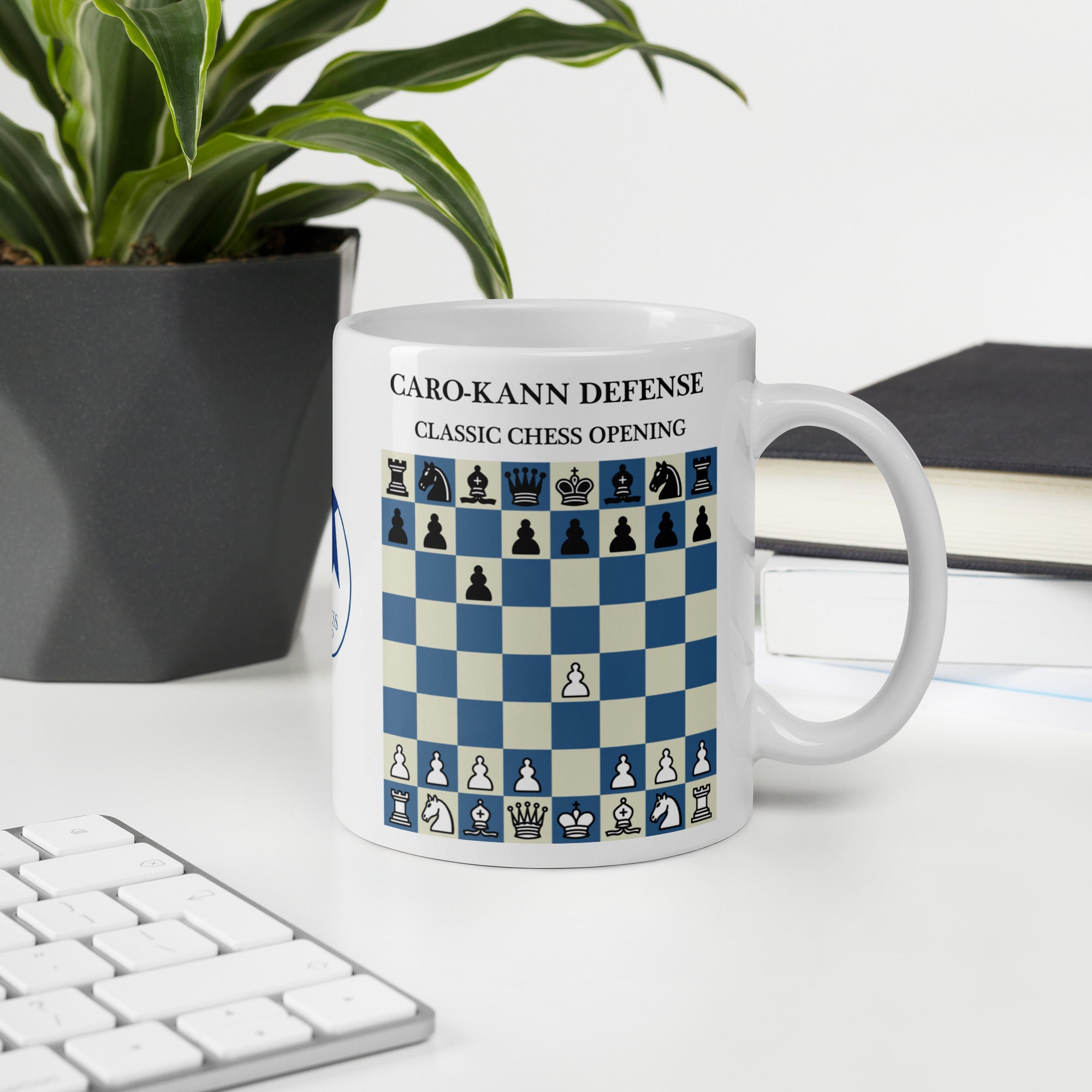
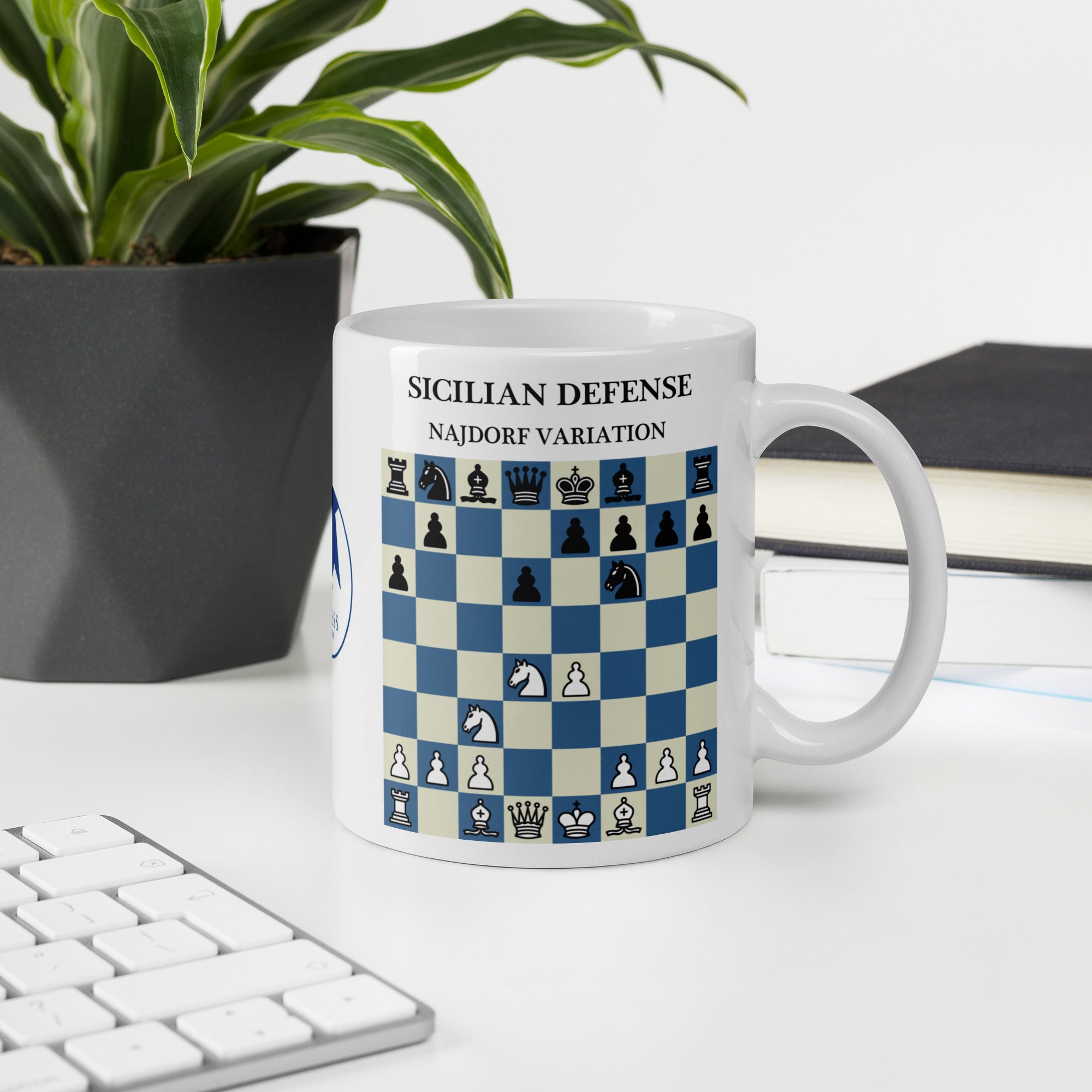
4. The Secret of Tactile Muscle Memory
This is the most critical step that 90% of online players skip. Clicking a mouse does not engage the spatial memory centers of your brain effectively. To truly hardwire an opening into your mind, you must move physical pieces on a physical board.
5. Good vs. Bad Opening Study Habits
Are you wasting your study time? Compare your habits to this chart to find out.
| Bad Habit (Leads to Forgetting) | Good Habit (Leads to Mastery) |
|---|---|
| Memorizing 15 moves deep in one variation. | Memorizing the first 5 moves and understanding the main middle-game plans. |
| Clicking rapidly through an engine analysis on a screen. | Setting up a physical wooden board and playing out the lines slowly. |
| Only studying what you should do. | Studying the common mistakes your opponent is likely to make and how to punish them. |
| Studying an opening for 3 hours once a month. | Reviewing the core pawn structure for 10 minutes every day. |
6. Frequently Asked Questions (FAQ)
Keep it simple. You need one reliable opening for White (e.g., 1.e4 or 1.d4), one defense for Black against 1.e4 (e.g., the Caro-Kann), and one defense against 1.d4. Do not try to learn 10 different openings until you are above 1800 ELO.
A transposition occurs when a position is reached by a different move order than usual. By focusing on pawn structures rather than strict move sequences, you will easily recognize transpositions and avoid getting confused if your opponent plays moves out of order.
Apps can be helpful for quick spaced repetition, but they do not replace the necessity of practicing on a physical 3D board to build true tactical awareness and muscle memory.
Keep Your Repertoire in Sight
41 ceramic mugs printed to order, each with the name and diagram of a classic opening.