
Cómo sobrevivir a la apertura de ajedrez sin saber teoría

Te sientas ante el tablero, listo para una gran partida. Juegas 1.e4 y tu oponente responde con un movimiento extraño que nunca antes habías visto. Empieza el pánico. Intentas recordar las líneas de apertura que estudiaste en línea, pero tu mente se queda en blanco. En el movimiento 10, tu posición está en ruinas y has perdido una pieza.
El miedo a la "teoría de aperturas" es uno de los mayores obstáculos para los ajedrecistas aficionados. Los grandes maestros memorizan líneas de hasta 25 movimientos, pero a nivel de club, intentar memorizarlo todo es una pérdida de tiempo. En esta guía, te enseñaremos cómo sobrevivir y prosperar en cualquier apertura de ajedrez simplemente comprendiendo los principios fundamentales, en lugar de memorizar secuencias robóticas.
Respuesta rápida: ¿Cómo jugar la apertura sin teoría?
Para sobrevivir a la apertura de ajedrez sin saber teoría, debes seguir las tres reglas de oro del desarrollo: 1. Controlar el centro (usando peones y caballos), 2. Desarrollar tus piezas menores activamente (caballos antes que alfiles) y 3. Enrocar temprano para asegurar a tu Rey. Si priorizas estos principios sobre el intento de realizar trampas baratas, alcanzarás con seguridad un medio juego jugable en el 99% de tus partidas.
1. Las reglas de oro de la apertura
Cuando sales de tu "libro" teórico y te encuentras en territorio desconocido, debes confiar en una lista de verificación. Si no sabes qué hacer a continuación, pregúntate si has completado estos tres pasos:
- Lucha por el centro: Las casillas e4, d4, e5 y d5 son el terreno elevado del tablero de ajedrez. Quien controla el centro dicta hacia dónde pueden moverse las piezas. Coloca un peón allí de inmediato.
- Caballos antes que alfiles: Los caballos son piezas de corto alcance; necesitan acercarse al centro (normalmente f3/c3 o f6/c6) para ser efectivos. Los alfiles son de largo alcance y a veces pueden ser efectivos desde sus casillas iniciales, así que desarrolla los caballos primero.
- Enroca antes del movimiento 10: El centro del tablero es donde se romperá la tensión. Si tu Rey sigue en e1 o e8 cuando el centro se abre, te darán jaque mate. Enrócate para ponerlo a salvo.
2. Trampas comunes: Lo que NO debes hacer
Sobrevivir a la apertura a menudo consiste en evitar malos hábitos más que en encontrar movimientos brillantes. Si no conoces la teoría, evita hacer lo siguiente:
Nunca muevas la misma pieza dos veces en la apertura. Si mueves tu caballo a f3 y luego inmediatamente lo mueves de nuevo a g5 intentando lanzar un ataque temprano, estás rompiendo los principios de apertura. Tu oponente simplemente expulsará a tu caballo con un peón, ganando un tiempo gratis mientras desarrolla sus propias piezas.
No saques tu Reina pronto. La Reina es demasiado valiosa. Si la llevas al centro del tablero en el movimiento 3, tu oponente desarrollará sus piezas menores mientras ataca simultáneamente a tu Reina, obligándote a perder movimientos retirándola.
3. Aperturas con poca teoría que puedes aprender en 5 minutos
Aunque no necesitas memorizar 20 movimientos, tener un "sistema" básico para los primeros 3 movimientos es increíblemente útil. Estas aperturas están basadas en sistemas, lo que significa que haces casi los mismos movimientos independientemente de lo que haga tu oponente.

4. Principios frente a teoría (Comparativa)
¿Cuándo debes confiar en los principios y cuándo necesitas realmente teoría? Usa esta guía para entender tus prioridades según tu ELO.
| Nivel de clasificación | Lo que necesitas para ganar | Requisito de teoría |
|---|---|---|
| Principiante (0 - 800) | Deja de colgar piezas gratis. Controla el centro. | 0%. Juega puramente según los principios de apertura. |
| Intermedio (800 - 1400) | Estructuras de peones sólidas, identificar patrones tácticos básicos. | Conocer los primeros 3-5 movimientos de una apertura elegida. |
| Avanzado (1400 - 2000) | Explotar debilidades menores, entender los planes del medio juego. | Conocer las líneas principales y trampas comunes hasta el movimiento 10. |
| Maestro (2000+) | Exprimir pequeñas ventajas de posiciones igualadas. | Preparación teórica profunda (más de 15 movimientos). |
5. La mejor forma de practicar los principios de apertura
Si solo estudias aperturas mirando flechas en la pantalla de una computadora, olvidarás las ideas tan pronto como comience la partida. El cerebro aprende la geometría espacial mucho más rápido en un entorno 3D.
6. Preguntas frecuentes (FAQ)
Si tu oponente sacrifica un peón en la apertura y no conoces la teoría, acepta el peón, pero prioriza el desarrollo y la seguridad del rey antes que aferrarte al material. Si empiezan a atacar con ferocidad, devuelve el peón para acelerar tu propio desarrollo.
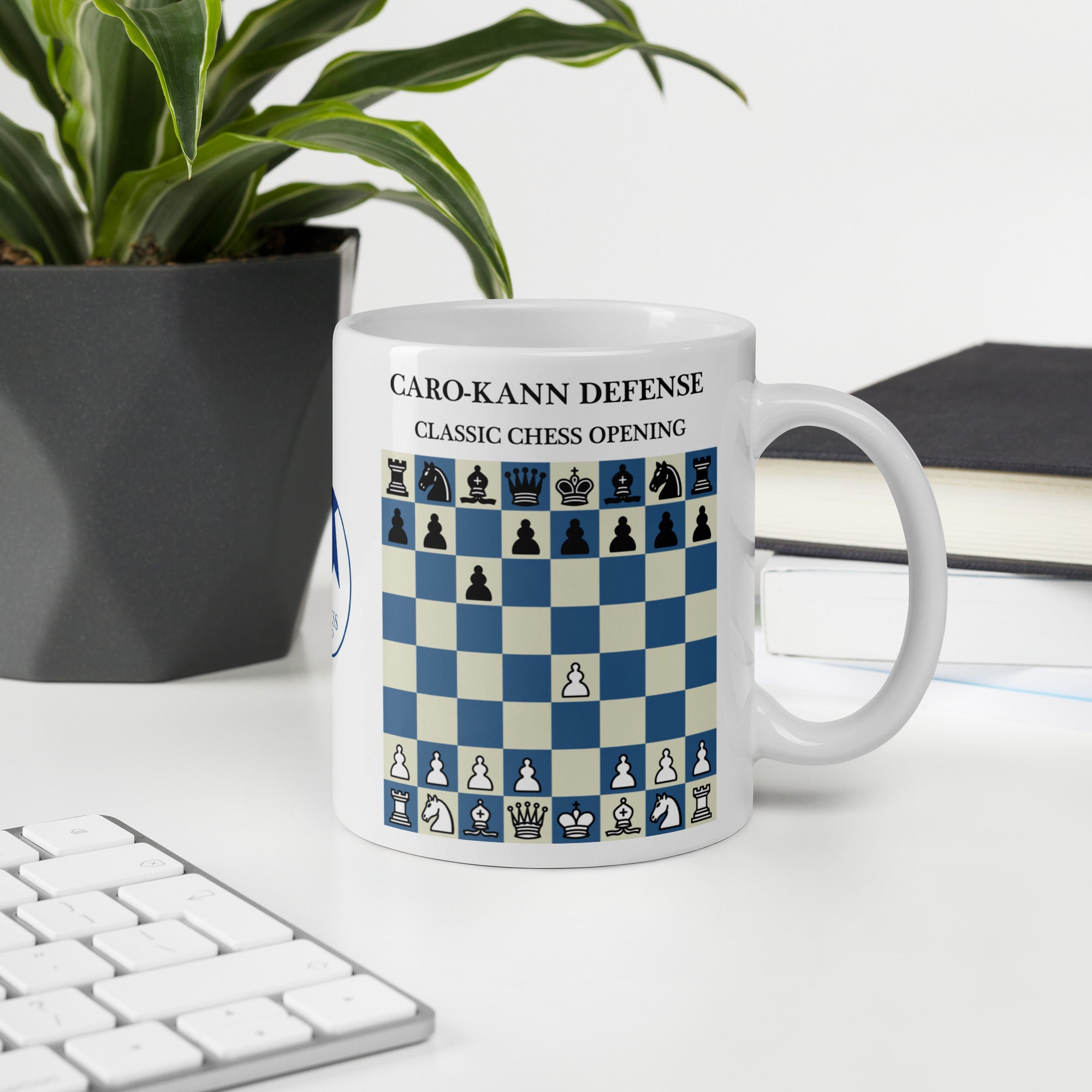
Sí, especialmente a nivel de club. Jugar una apertura sistemática (como el Sistema Londres para las blancas o la Caro-Kann para las negras) te permite alcanzar posiciones familiares en el medio juego sin memorizar variantes tácticas agudas.
Desarrollar una pieza a una casilla donde ataca simultáneamente a una pieza del oponente o controla una casilla central vital es muy eficiente. Obliga al oponente a responder a tu amenaza, otorgándote efectivamente un turno "gratis" para continuar con tu desarrollo.
Keep Your Repertoire in Sight
41 ceramic mugs printed to order, each with the name and diagram of a classic opening.